Protecting Your Website Content From Theft
You spent time writing original content for your website. Detailed service descriptions, blog posts, product copy. Then someone copies it word for word and puts it on their site. This happens more often than most businesses realize, and it directly hurts your search rankings.
Why Content Theft Matters for SEO
When two websites have the same content, Google has to decide which one to rank. The original creator does not always win. If the copying site has stronger domain authority, more backlinks, or better technical SEO, Google ranks the copy above your original. Your carefully written content now benefits someone else while your site loses visibility.
I have seen Sacramento businesses discover that competitors lifted entire service pages and published them with minor word changes. In one case, a local contractor lost first-page rankings for their core service terms because a competitor had copied their service page nearly verbatim. The competitor’s domain was older and had more backlinks, so Google favored the copy. The original business had to file a DMCA takedown, rewrite their own page with new content and structured data, and wait out a three-month recovery period before their rankings returned.
How to Detect Content Theft
Google your own sentences. Take a unique sentence from your homepage or a key service page, put it in quotes, and search for it in Google. If other sites appear with your exact text, someone has copied your content.
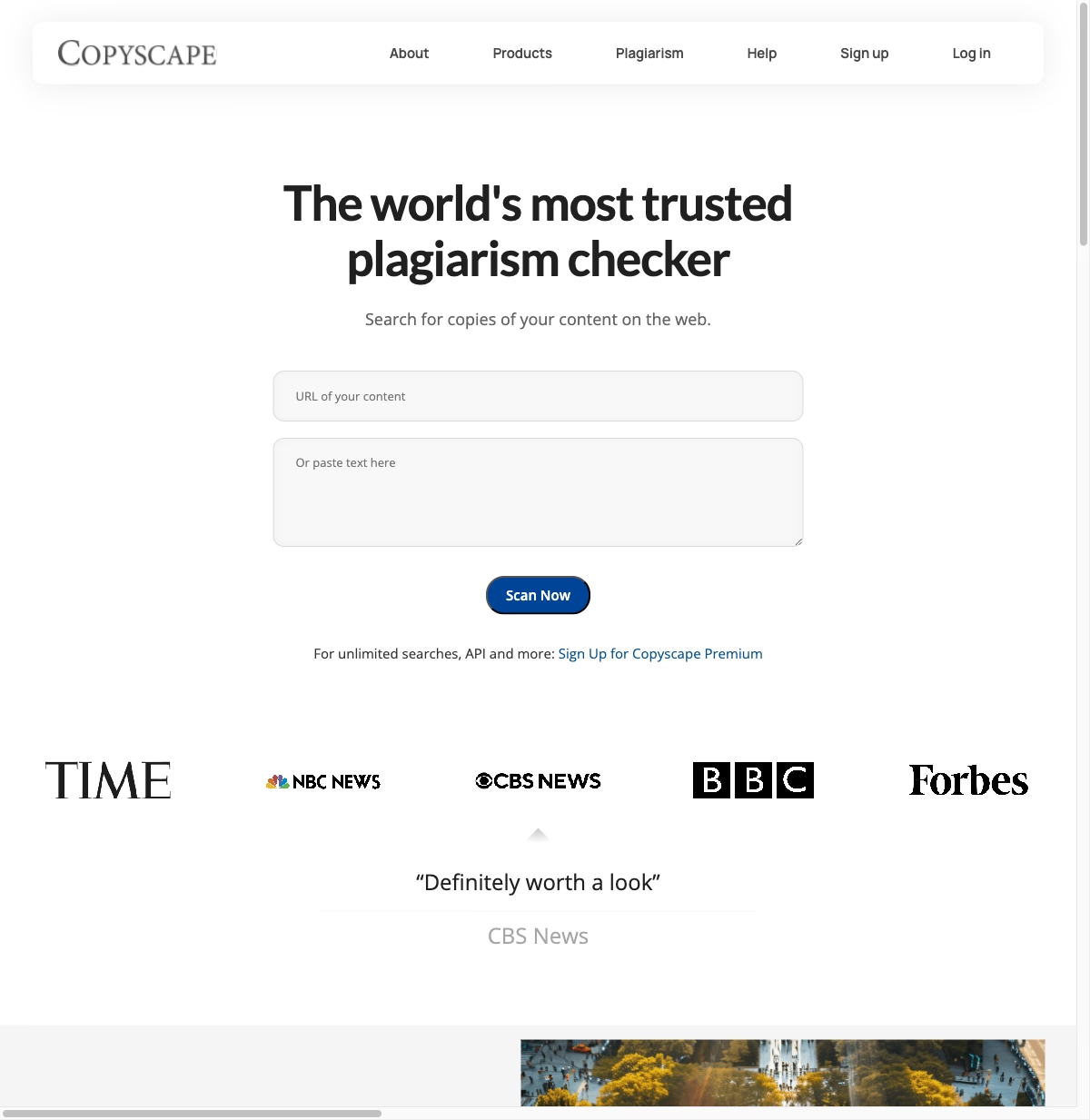
Use Copyscape. Copyscape.com lets you enter a URL and scans the web for matching content. The free version gives you basic results. The premium version ($0.03 per search) is more thorough and catches partial matches.
Set up Google Alerts. Create alerts for distinctive phrases from your website. If those phrases appear on another site, Google will notify you by email.
Monitor your search rankings. If you suddenly drop in rankings for keywords you used to own, content theft might be the cause. Check if a competing site has published similar content recently. Regular monitoring through Google Search Console helps you catch these changes early.
How to Stop Content Theft
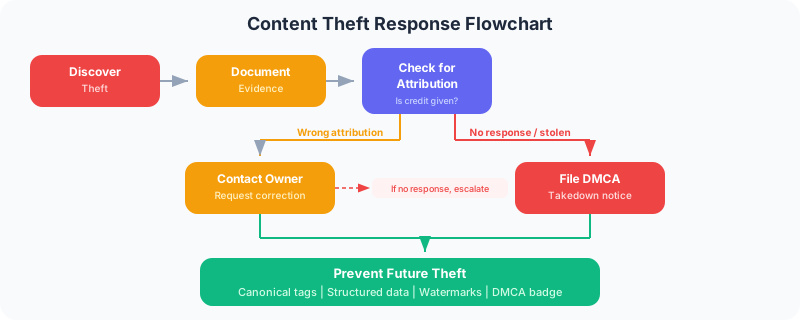
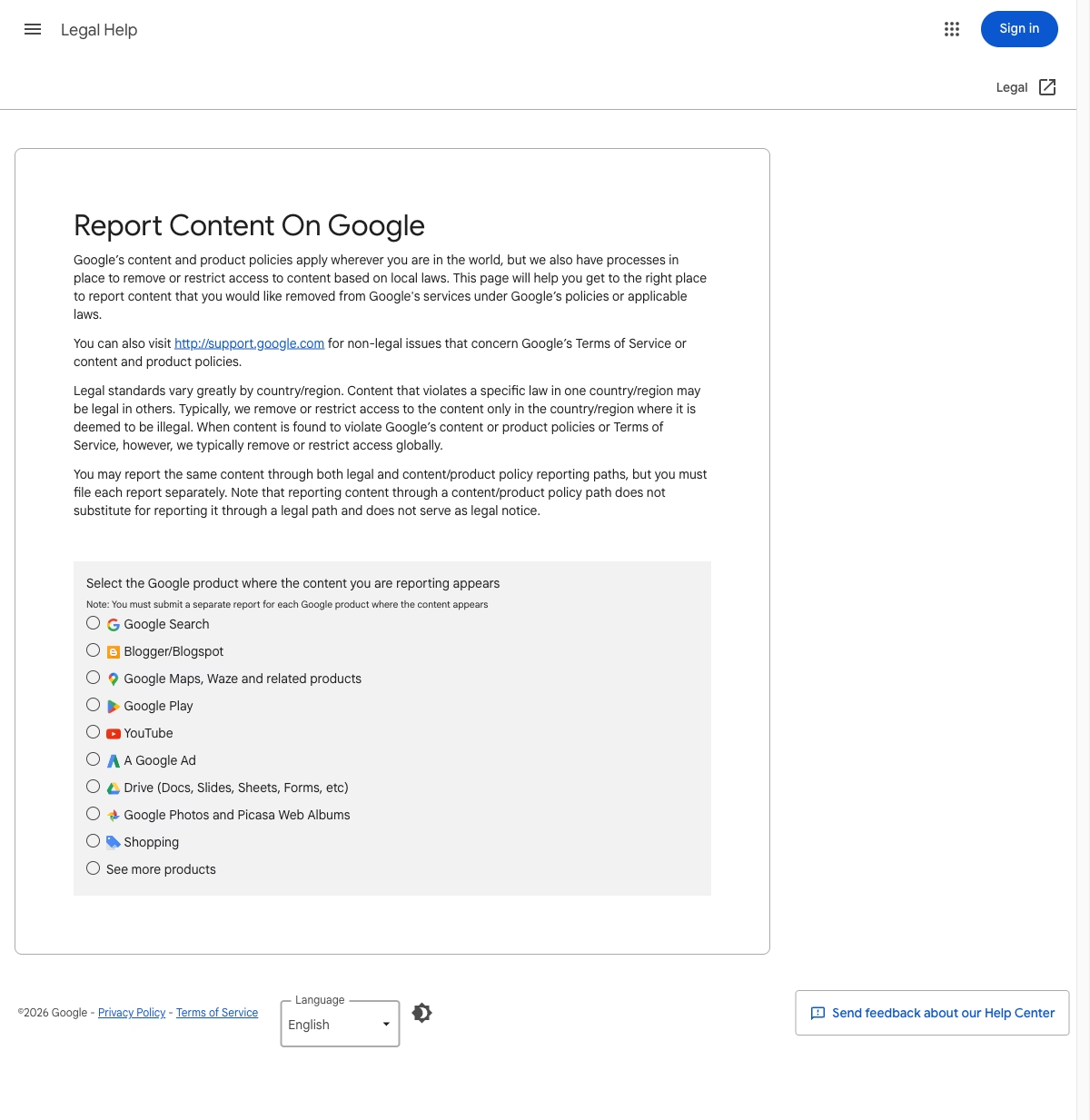
File a DMCA takedown. If someone copies your content, file a Digital Millennium Copyright Act (DMCA) takedown notice with their hosting provider and with Google directly. Google has a form for reporting copyright infringement in search results. Most hosting companies respond to DMCA notices within a few days by removing the infringing content.
Contact the website owner. Sometimes a polite email solves the problem. Many small businesses do not even realize their web developer copied content from another site. A direct message saying “this content was originally published on my website, please remove it or rewrite it” works more often than you would expect.
Use canonical tags. If your content legitimately appears on multiple URLs (syndication, guest posts, or technical duplicates), canonical tags tell Google which version is the original. This does not prevent theft, but it protects your rankings when content appears in multiple places with your permission.
Add structured data. Schema markup that includes your publication date and author helps Google identify the original source. When Google can see that your version was published first, it is more likely to rank you above copies.
Practical Prevention Measures
Publish consistently. Websites that publish original content regularly build stronger signals with Google. If you are the known source of ongoing original content in your niche, Google favors your site when duplicates appear. The DevSac blog follows this approach, publishing Sacramento-focused web development content regularly to build topical authority.
Watermark your images. If your site relies on original photography or graphics, add subtle watermarks. This does not prevent copying, but it proves ownership and discourages casual theft.
Disable right-click and copy. Don’t do this. It annoys real users and doesn’t stop anyone determined to copy your content. A determined copycat uses automated tools that ignore JavaScript entirely.
Use original data and research. Content that includes your own data, case studies, or research is harder to plagiarize convincingly. When I write about comparing grocery prices in Sacramento using real data from SacGroceries, that content is inherently more defensible than generic advice anyone could write.
When to Worry (and When Not To)
Do worry if a direct competitor has copied your service pages, product descriptions, or key landing page content. This directly competes with you in search results.
Do worry if your original blog content appears on multiple other sites. This dilutes your SEO value and causes Google to treat your original as a duplicate.
Do not worry about short snippets or quotes with attribution. Fair use and normal web linking are fine.
Do not worry about social media shares or excerpts with links back to your site. These help your SEO through backlink signals.
Monitoring, DMCA takedowns, and proper technical setup handle 95% of content theft situations without expensive legal action. Ongoing website maintenance that includes content monitoring catches theft early, before it damages your rankings. If you need help setting up content protection for your website, the contact page is always open.