You Don't Need to Submit Your Site to Search Engines
Every week someone asks how to submit their website to Google. The answer: you don’t need to. Google’s crawlers find new sites on their own. They follow links, read sitemaps, and index pages without anyone filling out a form. The entire “search engine submission” industry exists to charge money for something that happens automatically.
That said, there’s a difference between “Google will find you eventually” and “Google will find you this week.” The gap isn’t about submission. It’s about how your site is built.
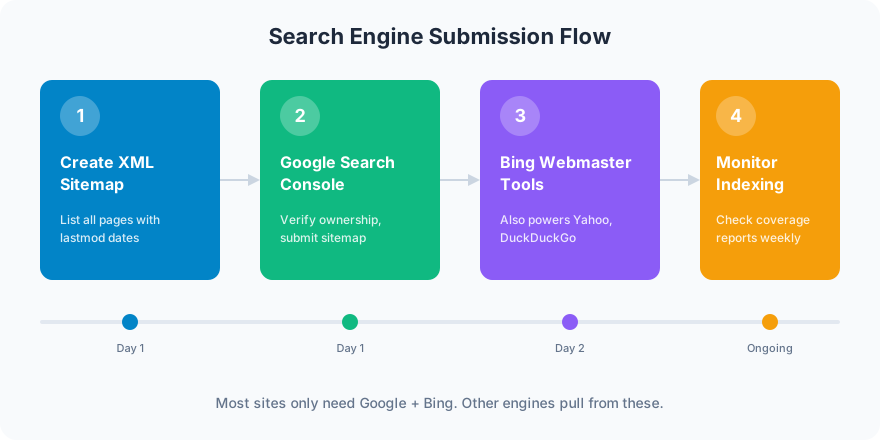
What Actually Gets You Indexed
Three things control how fast search engines discover and index your pages. The pattern holds across every site Frog Stone Media has built.
A proper sitemap. Your sitemap.xml is a map of every page on your site, with timestamps and priority signals. When Googlebot hits your domain, it checks /sitemap.xml first. If it’s missing, the crawler has to discover pages one link at a time. For DevSac.com, Astro generates the sitemap at build time with zero config.
Internal linking. Every page on your site should be reachable within 2-3 clicks from the homepage. If you publish a blog post and it’s only accessible through its direct URL, search engines won’t find it until another page links to it. This is why internal linking is part of local SEO strategy, not just a “nice to have.”
One quality external link. A single link from an indexed, reputable site tells Google your domain exists. For a local Sacramento business, that might be a Chamber of Commerce listing, a Yelp profile, or a mention on a partner’s site. These citations are part of any solid local SEO checklist. A single backlink from a real site can cut discovery time from weeks to days.
That’s it. Those three things will get a new site indexed faster than any submission service.
If You Really Want to Submit
Google Search Console is free and gives you useful data beyond submission.
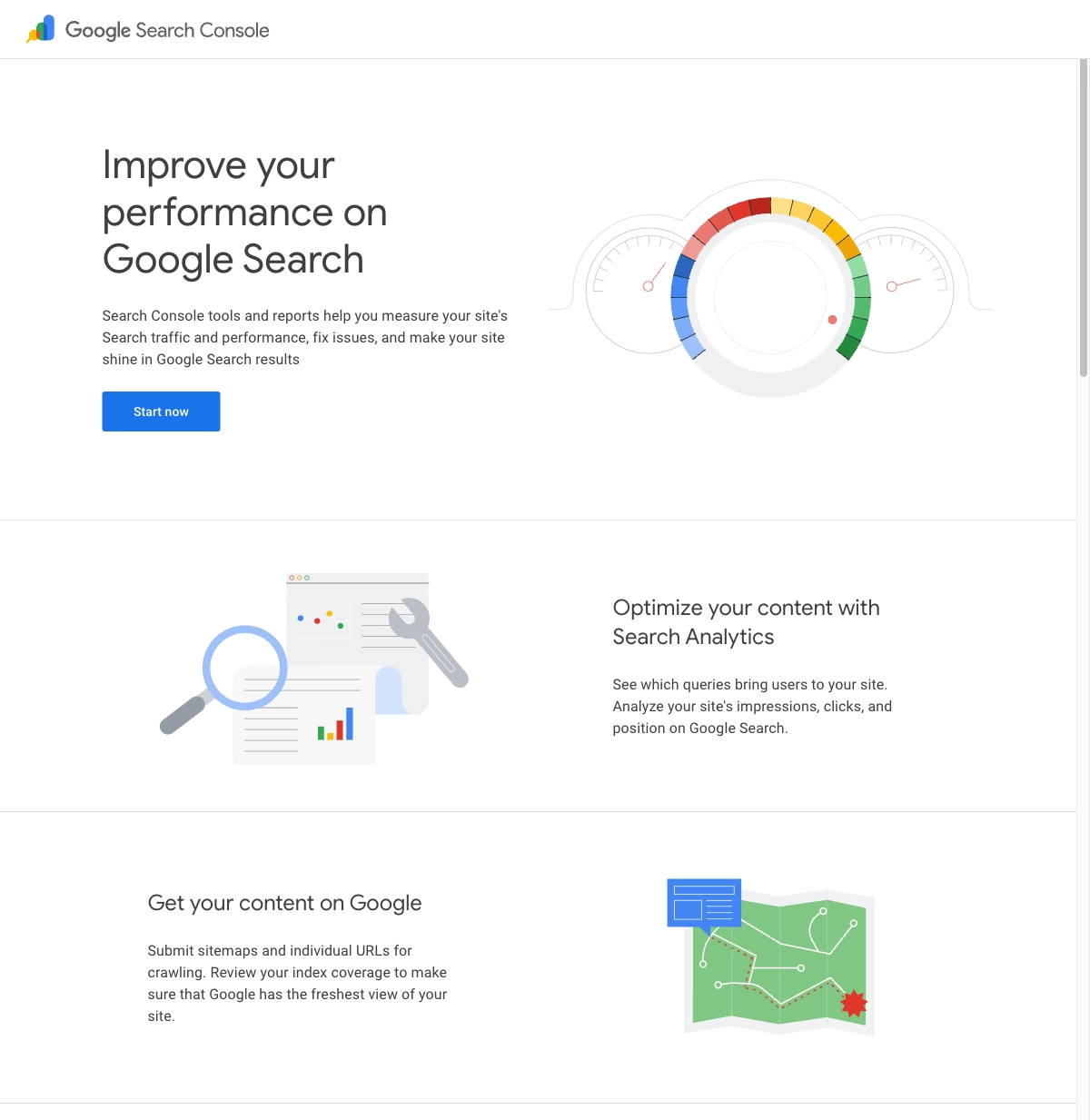
Set up an account at search.google.com/search-console, verify your domain, and submit your sitemap URL in the Sitemaps section. Use the URL Inspection tool to request indexing on your homepage and top pages. Google typically crawls submitted URLs within 1-3 days.
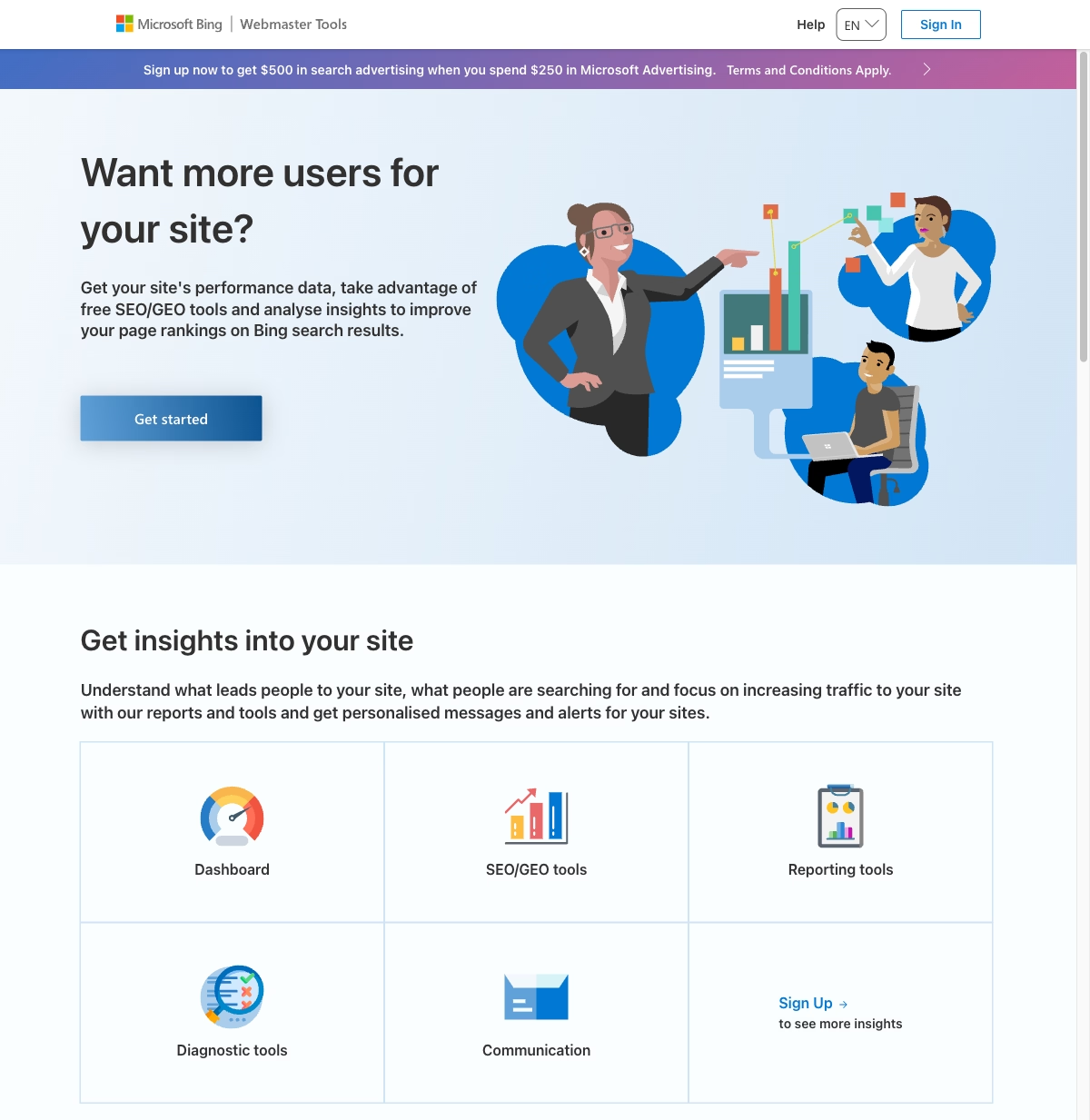
For Bing: go to bing.com/webmasters, import your Google Search Console settings, done. One minute. Bing also powers parts of DuckDuckGo and Yahoo, so you cover multiple engines with that single step.
That’s the whole process. No other search engine accepts or benefits from manual submission.
What to Watch After Launch
Google Search Console’s coverage report is the only dashboard that matters in the first month. Check it weekly. You’re looking for:
- Indexed pages climbing. Your page count in the index should match (or approach) your sitemap page count within 2-4 weeks.
- Crawl errors. 404s, redirect loops, pages blocked by robots.txt. Fix these immediately because they waste your crawl budget.
- Mobile usability flags. Google still penalizes pages with mobile layout issues. If you’re working with a team that handles professional web design properly, this shouldn’t be a problem.
For performance data (which queries bring traffic, click-through rates), expect 2-3 weeks before meaningful numbers show up. Don’t obsess over rankings on day one.
Skip Everything Else
“Submit your site to 500 search engines” is a scam. Those 500 “engines” are dead directories, link farms, and sites nobody visits. The submissions provide zero SEO value and sometimes create spammy backlinks that actively hurt your rankings. If someone emails you offering this service, that’s one of the known SEO scam tactics. Delete the email.
Google and Bing are the only two search engines that matter. Build your site with a clean sitemap, solid internal linking, and one real external link. That’s the entire playbook.
Need Help Getting Found?
If you’re launching a site in Sacramento and want it indexed and ranking, not just submitted, Frog Stone Media builds sites on modern infrastructure designed for speed and search visibility from day one. Get in touch.