14 Types of Evidence That Build Trust and Convert Visitors
Visitors do not trust your website by default. They trust it because of the evidence you provide. Every claim you make without proof is just an opinion. Every claim you back with evidence is a reason to buy.
Across dozens of client sites, adding specific evidence to a service page increases conversion rates by 15-30%. The type of evidence matters less than the specificity. “We are great” converts at zero. “We increased lead generation by 40% for a Sacramento law firm over 6 months” converts.
14 Types of Evidence, Organized by Category
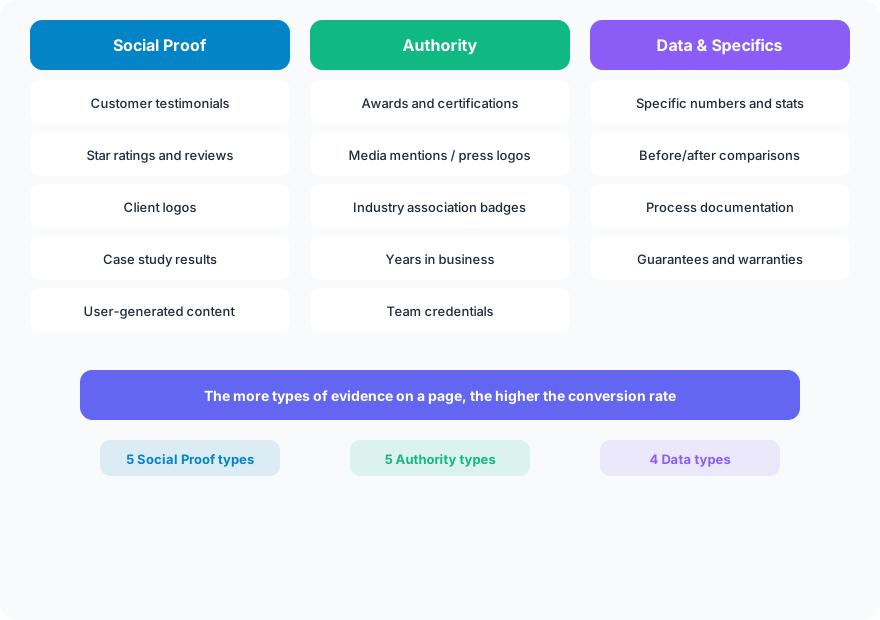
Social Proof (What Others Say About You)
Customer testimonials. Direct quotes from named clients with specific results. “Michael redesigned our site and leads increased 40% in the first quarter” is evidence. “Great to work with!” is filler. See the full testimonial guide for how to collect strong ones.
Star ratings and review aggregates. “4.8 out of 5 from 200+ reviews” is a single line that communicates more trust than three paragraphs of marketing copy.
Client logos. Recognizable logos create instant credibility. If your clients are small local businesses, use testimonial quotes instead (nobody recognizes the logo).
Case study results. Detailed breakdowns of challenges, approaches, and measurable outcomes. The most powerful form of social proof because it demonstrates both expertise and results.
User-generated content. Photos, videos, or posts from real customers using your product or service. Authentic and unscripted.
Authority (Why You Are Qualified)
Awards and certifications. Relevant industry awards, professional certifications, and technology partner badges. “Best Web Design Company 2026” matters. A random participation certificate does not.
Media mentions. “As seen in” logos from press features. Local news coverage, industry publications, podcast appearances.
Industry association badges. Chamber of Commerce, professional associations, technology partner programs. Each badge is a third-party validation of your credibility.
Years in business. “Serving Sacramento since 2005” is a trust signal that costs nothing to add. Longevity implies reliability. Your about page is the natural home for credentials, origin story, and years-in-business claims.
Team credentials. Degrees, certifications, years of experience, notable past employers. Especially powerful for professional services (law, medical, financial).
Data and Specifics (What You Can Prove)
Specific numbers and statistics. “I have built over 100 websites” is stronger than “I have built many websites.” Specificity signals confidence and experience.
Before/after comparisons. Show the measurable change your work produced. Traffic before and after. Conversion rate before and after. Revenue before and after.
Process documentation. Showing your methodology (steps, timelines, deliverables) proves you have a system. Systems build confidence.
Guarantees and warranties. “30-day money back” or “Free revisions until you are satisfied” removes risk and demonstrates confidence in your work.
Where to Place Evidence
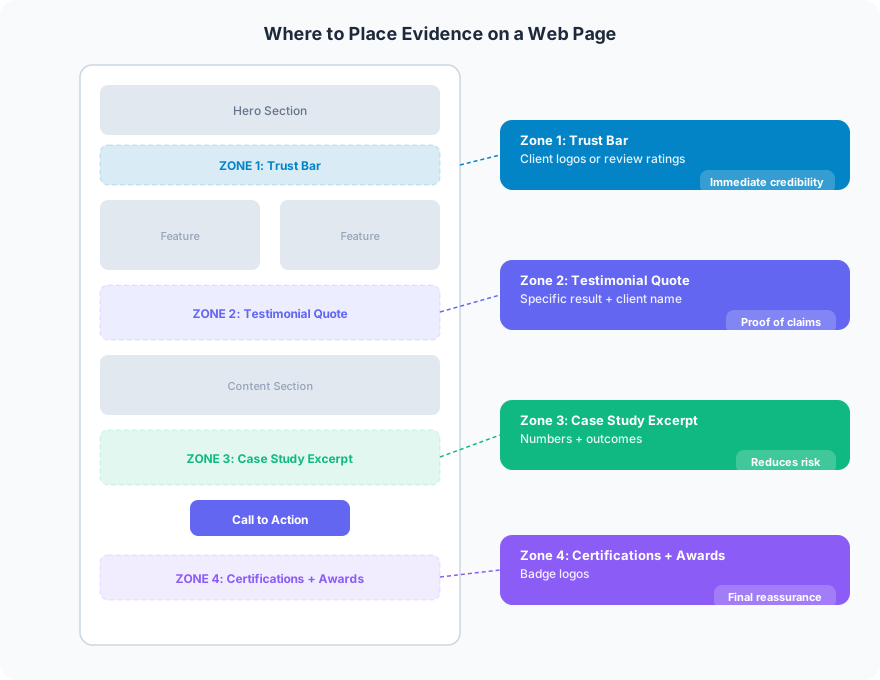
Evidence works hardest when placed at decision points. A testimonial at the top of the page establishes credibility before the visitor reads your pitch. A case study excerpt before the CTA reduces risk at the moment of action.
Not All Evidence Is Equal
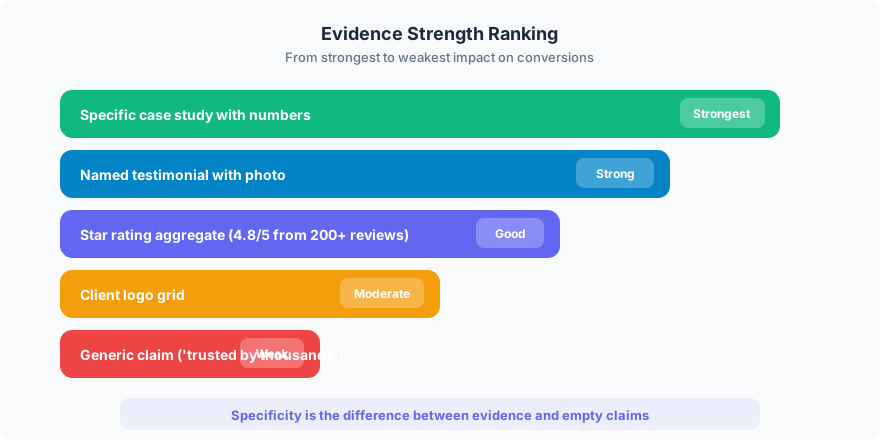
The gap between strong and weak evidence is enormous. A specific case study with named results is 10x more persuasive than a vague claim like “trusted by thousands.” If you only have time for one type of evidence, make it a detailed case study with numbers.
FAQ
How much evidence is enough?
Every page should have at least 2 types of evidence. Service pages should have 4-5 types (testimonial, case study, process, credentials, CTA). More evidence is almost always better, as long as it is specific and relevant.
What if I am a new business with no testimonials?
Start with process documentation (show your methodology), credentials (your experience and training), and guarantees (remove risk for early clients). As you complete projects, add testimonials and case studies immediately.
Evidence is the difference between a website that claims credibility and one that proves it. Add specifics to every page and watch your conversion rates respond.
Want help building trust signals into your site? Get in touch to strengthen your credibility.