BestTreesToPlant.com | Sacramento Tree Selection Guide
Tree selection and care guides for Northern California homeowners, with a Tree Finder, fast search and a checked public-domain image pipeline. Monetized through Mediavine display ads and Amazon affiliate links.

Who it helps
Northern California homeowners choosing, planting and caring for trees in hot summers, clay soil and tight watering rules. BestTreesToPlant.com gives them tree advice written for their climate, with cultivar names they can hand to a nursery and timing down to the month.
What readers get
Guides grounded in real sources
Guides cover buying, planting, care, trimming and gardening. Each one draws on ISA arborist standards, university extension research and USDA zone guidance, written in the voice of a homeowner who has made the mistakes first.
A Tree Finder
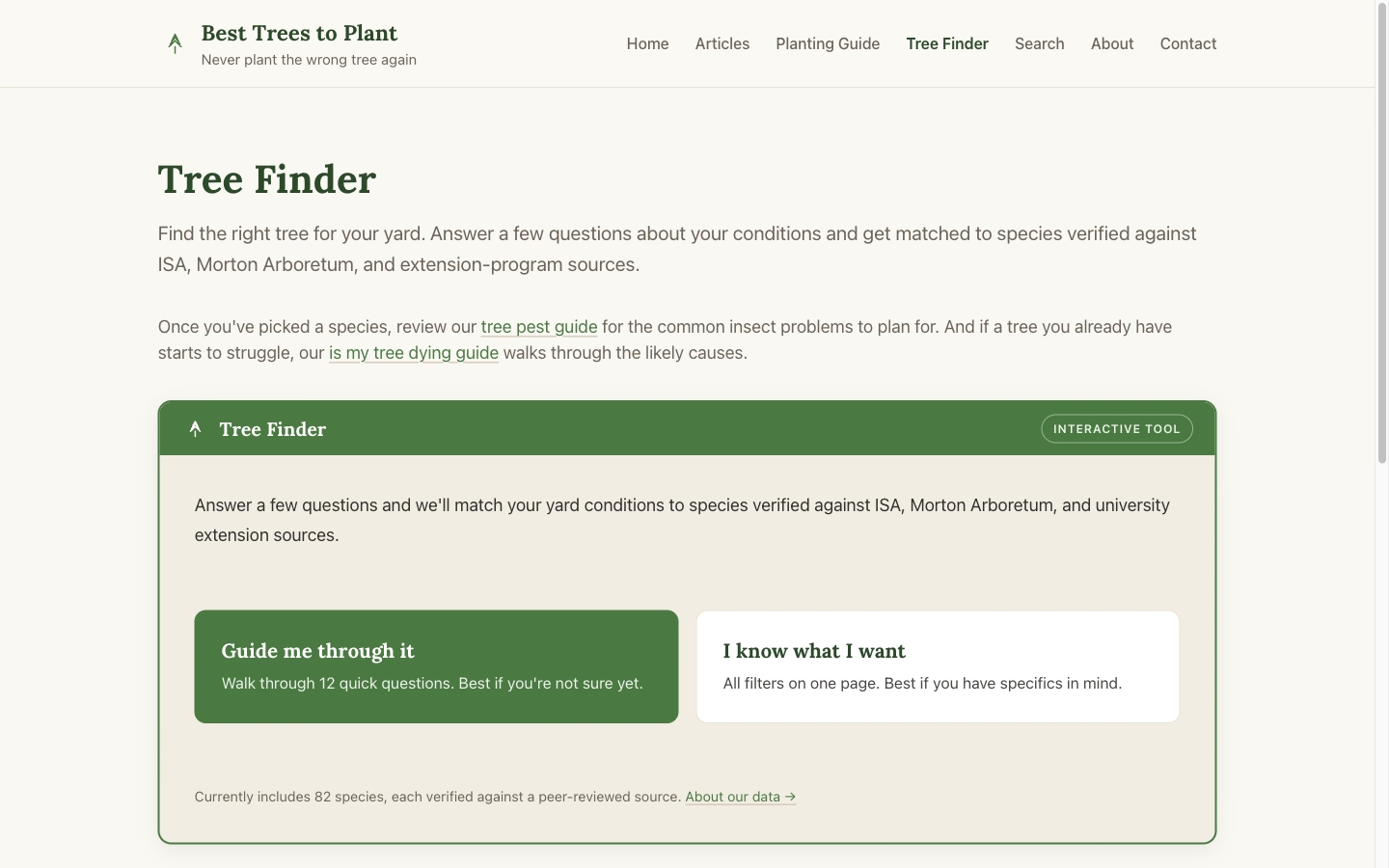
The Tree Finder asks a few questions about the yard, or shows every filter on one page, and matches the answers to species checked against arborist and extension sources.
Fast search
Search covers every article and opens instantly, so a reader who lands on one guide can find the next one without leaving the site.
Photos of the right tree
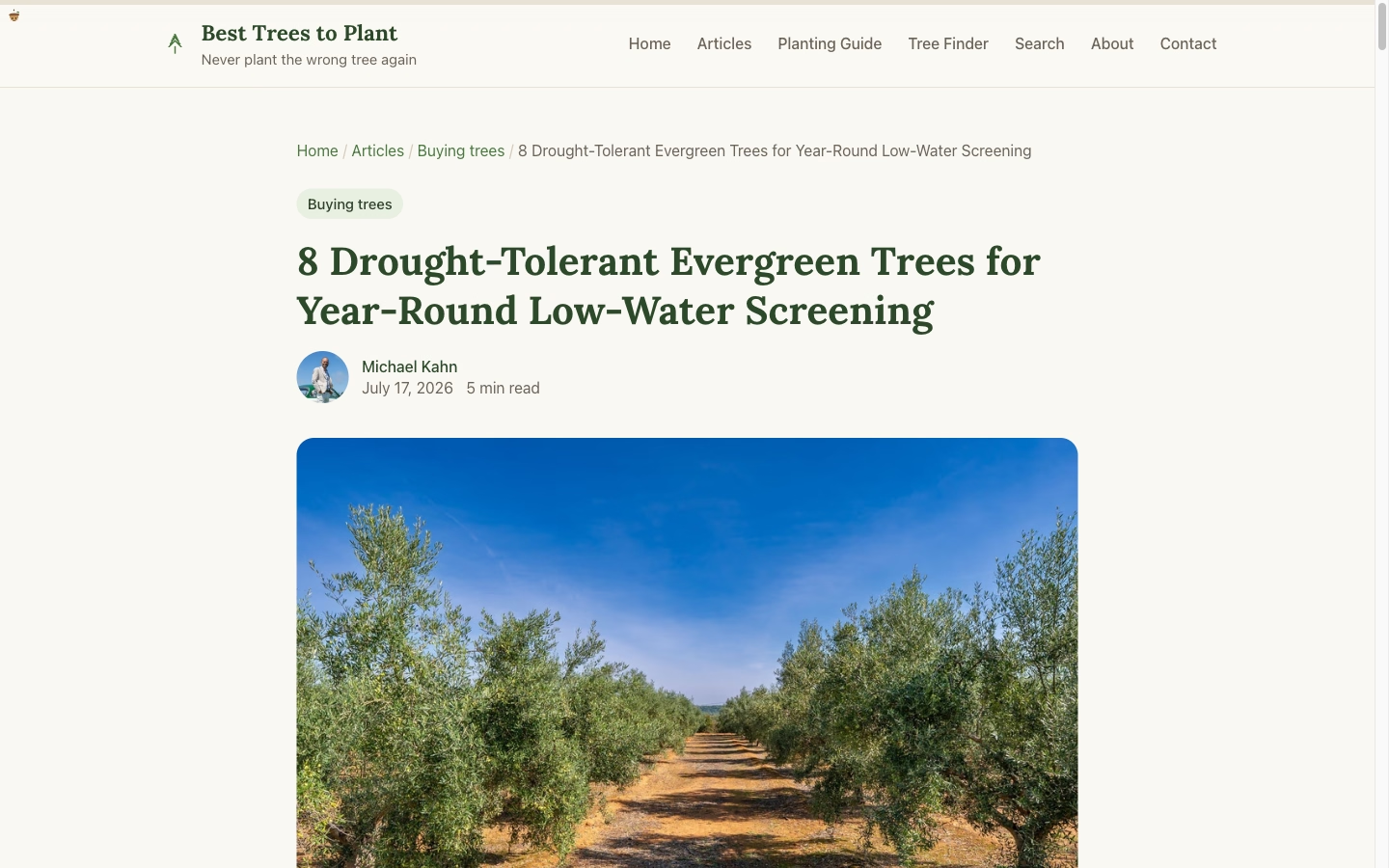
Tree photos are chosen to show the species the article is about, and each one is checked for its license before it goes on the page.
Products in context
Amazon affiliate links sit inside the guides that explain why a tool, soil amendment or tree care product matters for that task. An Amazon storefront list collects the trees and gear the site recommends.
What it does for the business
Homeowners who get a straight answer for their own yard stay to read the next guide, and that depth of reading is what display advertising pays for. The site was accepted into Mediavine in July 2026, and Mediavine display ads now run alongside Amazon affiliate links and the storefront tree list.
The image pipeline keeps a large library of photos accurate and properly licensed without hours of manual searching, which is the kind of behind-the-scenes work that keeps a content business moving. The same approach to content site design powers Hallowmix.
Where automation fits
The image pipeline is automated checking, with a person at the end:
- It searches Wikimedia Commons, Wikidata, Openverse and USDA PLANTS for public-domain and openly licensed photos of each species.
- Automated checks reject photos of the wrong species and photos with restrictive licenses.
- A person inspects each image before it ships.
The articles are not written by AI.
For your technical team
- Astro static site with TypeScript, Tailwind CSS and Markdown content validated with Zod.
- Sharp resizes source photos and generates AVIF copies at build time, plus a branded social card image for every article.
- A custom Rehype plugin lazy-loads in-article images while the hero image loads first.
- Pagefind builds a static search index at build time and loads it only when a reader searches.
- The public-domain image pipeline is a set of Node scripts with tests for license and species scoring.
- Deploys run on a self-hosted GitHub Actions runner, publish to cPanel and notify search engines through IndexNow.
Want something like this for your business?
Send a short email about the problem you want solved and get a written scope back. No sales call required.
Start With a Free Email Scope